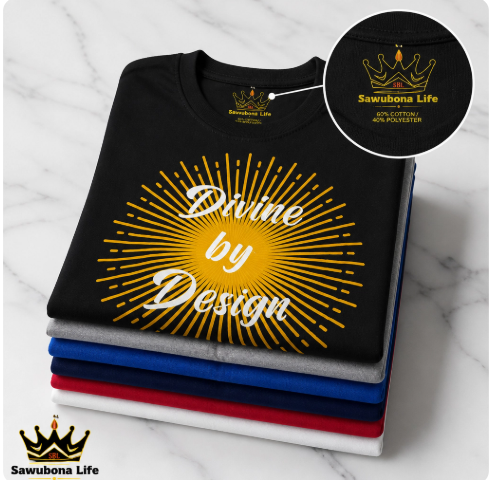
Divine Ladies Graphic Tees - Affirmation Apparel by Sawubona Life
Why Buy Tagless Mindfulness Apparel Online in 2026
Sawubona. It means "I see you," and it carries more weight than a casual hello ever could. That same spirit of recognition sits at the heart of the tagless mindfulness apparel movement. People are tired of clothing that scratches, itches, and demands attention all day long. When you buy tagless mindfulness apparel online, you're choosing garments that respect your nervous system instead of fighting it.
The Sensory Cost of Traditional Tags
A woven tag looks harmless. Your nervous system disagrees. For people with sensory processing differences, that small rectangle of stiff polyester rubs against the neck with every turn of the head. Over an eight-hour day, the irritation compounds. Many wearers describe it as a low hum of distraction that never fully disappears. Research on sensory processing and tactile sensitivity shows that tactile defensiveness is a real neurological response, not a preference.
How Tagless Design Supports Daily Mindfulness
Mindfulness asks you to notice the present without judgment. Clothing that itches makes being present nearly impossible. Every scratch pulls you out of the moment and back into physical discomfort. Tagless mindfulness apparel removes that friction so your attention can rest where you want it. It sounds small. In practice, it changes how a whole day feels.
Key Takeaway: The best mindfulness tool is often the one you stop noticing. Tagless construction disappears against your skin, which lets your awareness settle on your breath, your work, or the people in front of you.
Mental Health Awareness Apparel: Wearing Your Values
Mental health awareness apparel does something a therapy appointment can't: it carries your intentions into every room you enter. A shirt with a quiet message becomes a private anchor. You catch a glimpse of it in a mirror and remember what you're working toward. Sawubona Life builds this idea into its designs, pairing ultra-soft tagless fabric with subtle sleeve QR codes that link to mindfulness digital tools. Nothing loud. Nothing performative.
What to Look for in Sensory-Friendly Mindfulness Clothing
Sensory-friendly mindfulness clothing is apparel designed to minimize tactile irritation through flat seams, soft fabrics, and tagless labels. The goal is simple: nothing on the garment should demand your attention. Most shoppers focus on color and cut. The details that decide whether you'll actually wear something sit inside the collar and along the seams.
Fit, Seams, and Tagless Construction
Fit decides comfort as much as fabric does. A relaxed fit prevents binding across the shoulders and chest. Flatlock seams lie smooth against the skin instead of creating ridges. Check three things before buying:
Printed or heat-transfer label instead of a woven tag
Flatlock or bonded seams at shoulders and sides
A relaxed cut that allows a full range of motion
Watch Out: A shirt can be labeled "tagless" and still irritate you. Some brands replace the neck tag with a stiff screen-printed block that cracks after a few washes and scratches worse than the original. Check whether the label is soft heat-transfer or rigid ink before you commit.
Organic Cotton, Hemp Blends, and Non-Toxic Dyes
Organic cotton and hemp blends form the backbone of most ethical mindfulness apparel, but the fiber name alone tells you very little. What decides whether a garment works for long sits, breathwork, or a heated vinyasa class is the fabric weight, the weave, and how the dye was fixed to the fiber.
Fabric Weight and Breathability for Long Sessions
Fabric weight is measured in grams per square meter (GSM), and it is the single most useful number a brand can publish. A common pattern in meditation and yoga wear:
Lightweight (roughly 120-150 GSM): Best for hot studios, summer sits, and layered wear. Moves air well, dries fast, but can feel flimsy and cling during forward folds.
Midweight (roughly 150-200 GSM): The sweet spot for most seated meditation and everyday wear. Holds shape, drapes without clinging, and still breathes.
Heavyweight (roughly 200-260 GSM): Durable and opaque, good for cooler rooms and restorative practice, but traps heat during long holds.
Why Hemp Changes the Equation
Hemp fiber is naturally longer and stronger than cotton, so a hemp-cotton blend typically outlasts a pure cotton tee and softens with each wash instead of pilling. Hemp also wicks moisture and resists odor-causing bacteria better than cotton alone, which matters if you wear the same piece across a morning sit and an afternoon errand.
Non-Toxic Dyes and Reactive Skin
Conventional dyeing can leave two residues that bother sensitive skin: unfixed dye molecules and formaldehyde-based fixatives used to lock color to fiber. A garment that feels fine in the store can trigger itching after a sweaty session because heat and moisture release those residues against the skin. Low-impact and fiber-reactive dyes bond more completely to the fiber, so less free dye remains to rub off.
Key Takeaway: Ask three questions before you buy: What is the GSM? What is the fiber ratio? What dye class was used? A brand that answers all three is usually a brand that thought about sensory comfort, not just the label.
Ethical Certifications Compared: GOTS, Fair Trade, and More
Certifications tell you what a brand's claims are worth. Each one covers a different part of the supply chain, so a single label rarely tells the whole story. Here's how the major ones compare:
How to Buy Tagless Mindfulness Apparel Online: A Step-by-Step Checklist
Buying online removes the fitting room, so you need a process that replaces it. Use this checklist before you check out:
Confirm the fabric content and weight are listed in detail
Verify at least one ethical certification (GOTS, Fair Trade, or OEKO-TEX)
Check whether the tagless label is printed or heat-transfer
Read the return policy for sensory-related returns
Look for real customer reviews mentioning sensitive skin or fit
Confirm sizing charts include measurements, not just S/M/L
Check care instructions before you buy
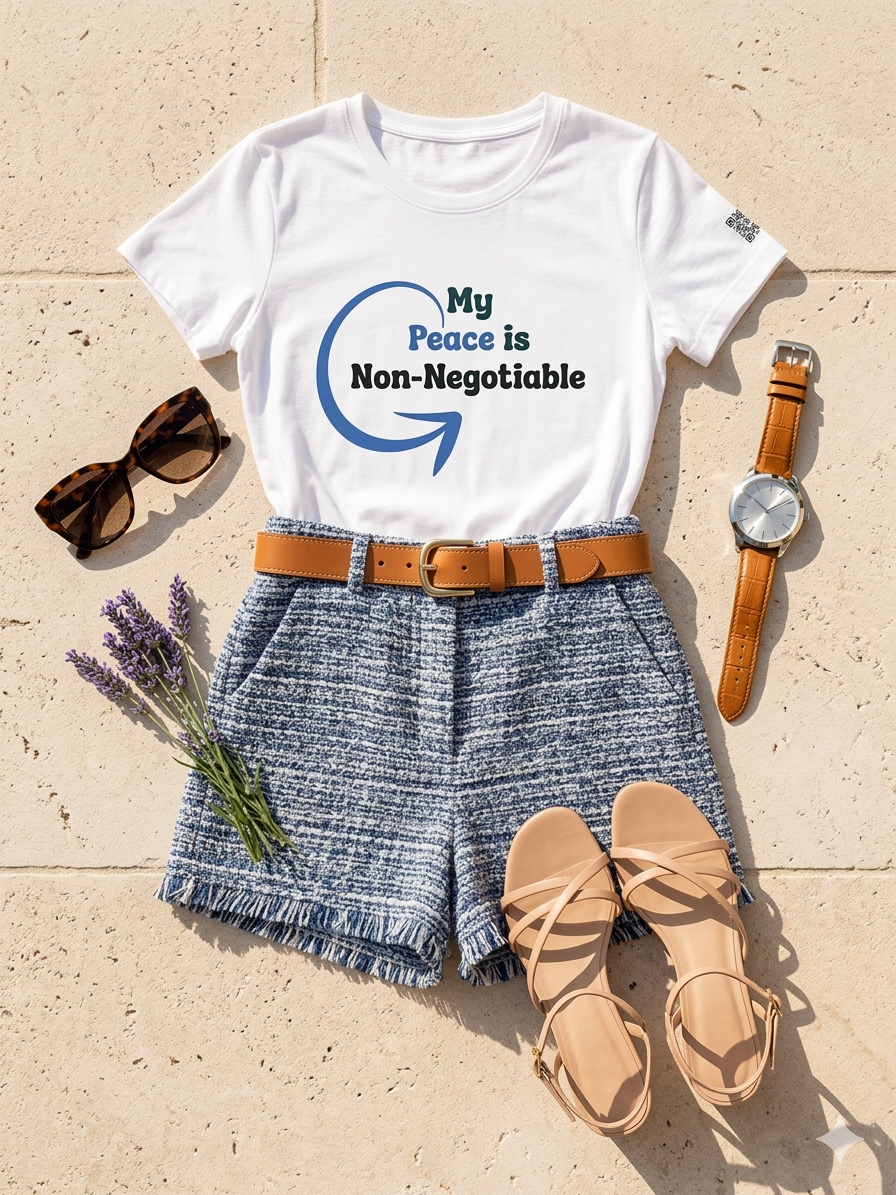
My Peace White Ladies Graphic Tee - Affirmation Apparel by Sawubona Life
Pro Tip: Order one item first, wash it once, and wear it for a full day before buying more. Fabric softens after the first wash, and a single test purchase tells you more than any size chart.
Caring for Your Tagless Apparel So It Lasts
Most care guides stop at "wash cold, hang dry." That advice is fine, but it does not explain why eco-friendly fabrics and printed labels degrade, or how to tell whether a certification claim survives the first wash. This section covers both, because the way you care for a garment is the way you protect the ethics and the sensory comfort you paid for.
Why Eco-Friendly Fabrics Need Different Care
Organic cotton and hemp are not treated with the resin finishes and chemical softeners that conventional cotton often carries, so they have less built-in protection against heat and abrasion. That is a feature, not a flaw, but it changes the rules:
Cold water (under 86°F): Hot water shrinks cotton and accelerates dye loss. Cold also protects the fiber-reactive dyes that keep color from bleeding onto skin.
Inside out: Turning the garment inside out shields the printed or heat-transfer label from friction against the drum, which is what causes cracking and peeling.
Skip fabric softener: Softener coats fibers with a waxy film that reduces breathability and can trap residue against sensitive skin. Wool dryer balls or a half-cup of white vinegar in the rinse do the same job without the coating.
Low or no heat: Heat is the enemy of both printed labels and cotton fibers. Tumble dry low, or hang to dry in shade, since direct sun can fade plant-based dyes faster than synthetic ones.
Wash less, air more: Hemp and cotton blends resist odor, so a quick air-out between wears often replaces a full wash. Fewer washes means less pilling and a longer life.
Protecting the Tagless Label
A printed or heat-transfer label is the whole point of tagless apparel, and it is also the most fragile part of the garment. Two habits extend its life: never iron directly over the label (use a pressing cloth or iron around it), and never dry-clean, since the solvents used in dry cleaning can lift heat-transfer adhesive.
Reading Care Labels Against Certification Claims
Here is where care and ethics connect. A GOTS-certified garment carries specific care instructions because the certification covers the full processing chain, including the dyes and finishes allowed. If a brand claims GOTS but the care label recommends bleach or high-heat drying, that is a signal the claim may not hold up. OEKO-TEX Standard 100 works the other way: it tests the finished fabric for harmful substances, so a garment with that label should not require special handling to stay skin-safe.
Watch Out: "Tagless" is not a permanent state. A printed label that survives fifty washes is a sign of quality construction; one that cracks after five is a sign the brand cut corners on the adhesive. Track how the label holds up, because it is a proxy for how the rest of the garment was made.
A Simple Longevity Routine
A practical weekly rhythm for tagless mindfulness apparel:
Wear, air out, and spot-clean between full washes.
Wash cold, inside out, with like colors and a gentle detergent.
Skip softener and bleach entirely.
Tumble dry low for five to ten minutes, then hang to finish.
Store folded rather than hung, since hanging stretches shoulders over time.
Treated this way, a quality tagless tee holds its softness, its label, and its fit through years of regular wear, which is exactly what a wardrobe essential should do.
Frequently Asked Questions
What are the benefits of wearing tagless clothing for sensory processing?
Tagless clothing removes the scratchy label that often triggers irritation for people with sensory sensitivities. Without a tag rubbing against the neck or waist, the nervous system has one less input to manage, which can reduce distraction and discomfort throughout the day. For anyone practicing mindfulness, that means fewer interruptions when you sit down to meditate or breathe. Sawubona Life builds tagless construction into every piece so the fabric, not a label, is what you feel against your skin.
How does mindfulness apparel support mental health awareness?
Mindfulness apparel turns an everyday item into a quiet reminder of your intentions. Wearing a shirt designed with purpose can anchor you to a breathing practice, an affirmation, or a moment of self-check during a stressful day. Some brands, like Sawubona Life, add subtle features such as sleeve QR codes that link to mindfulness tools, letting you carry support with you without announcing it to the world. The clothing becomes a wearable cue rather than just another garment.
What materials are best for comfortable mindfulness clothing?
Look for breathable, soft-touch fabrics like organic cotton, hemp blends, and moisture-wicking knits. Organic cotton is gentle on skin-sensitive wearers and holds up well over time. Hemp blends add durability and temperature regulation. Avoid synthetic blends that trap heat or contain harsh dyes if you have reactive skin. Checking for GOTS certification or non-toxic dye claims helps you confirm the fabric meets safer production standards before you buy tagless mindfulness apparel online.
What should I look for when buying conscious apparel online?
Start with the fabric content and weight, then check for tagless construction and flat seams. Look for certifications like GOTS or Fair Trade to verify ethical sourcing. Read the return policy so you can test the fit and feel without risk. Finally, confirm the brand's values align with yours, whether that means Black-owned, women-owned, or sweatshop-free production. Sawubona Life lists these details on its site so you can make an informed choice before checkout.
The Bottom Line
Finding clothing that respects your sensory needs and your values shouldn't require a compromise. Sawubona Life exists for exactly this: a Black, women-owned brand offering premium, ultra-soft tagless apparel with mindfulness digital tools and subtle sleeve QR codes for quiet advocacy. Every piece honors your sensory comfort and supports your mental health journey. Shop Now at Sawubona Life and wear something that sees you back.
RESPECT YOUR SENSORY NEEDS.
HONOR YOUR VALUES.
FEEL AND WEAR THE DIFFERENCE.